17.06.2026
Beyond Borders: Reflections on My Academic Journey at Bukhara State University Beginning a Journey of Learning and Discovery
This article by Ms. Zuraini Binti Ramli, Senior Lecturer at one of Malaysia’s leading higher education institutions, Sultan Idris Education University (UPSI), reflects on her three-month academic engagement and experiences at Bukhara State University. It serves as a vivid example of effective international cooperation between the two universities, intercultural dialogue, and the exchange of educational expertise. Through her observations and reflections, the author provides valuable insights into the academic potential of Bukhara State University, its international environment, and the rich cultural heritage of Uzbekistan.
"Traveling to a new country often begins with curiosity and expectations. My three-month academic visit to Bukhara State University (BukhSU), Uzbekistan, from 10 March to 31 May 2026, was no exception. What initially started as an academic engagement gradually evolved into a meaningful journey that extended far beyond classrooms and formal meetings. It became an opportunity to understand a different educational environment, appreciate a rich cultural heritage, and establish meaningful connections across borders. More importantly, it became a journey of learning and reflection that offered valuable insights into education, culture, language, and human connection.
This academic visit was undertaken as part of Universiti Pendidikan Sultan Idris (UPSI)'s commitment to internationalisation and the promotion of the Malay language beyond Malaysia's borders. As Malaysia's premier education university, UPSI continues to strengthen its global engagement through academic mobility, international collaboration, research partnerships, and language outreach initiatives. My presence at Bukhara State University therefore represented not only a personal academic experience, but also UPSI's broader aspiration to strengthen educational and cultural ties between Malaysia and international partners.
Building Bridges Through Academic Collaboration
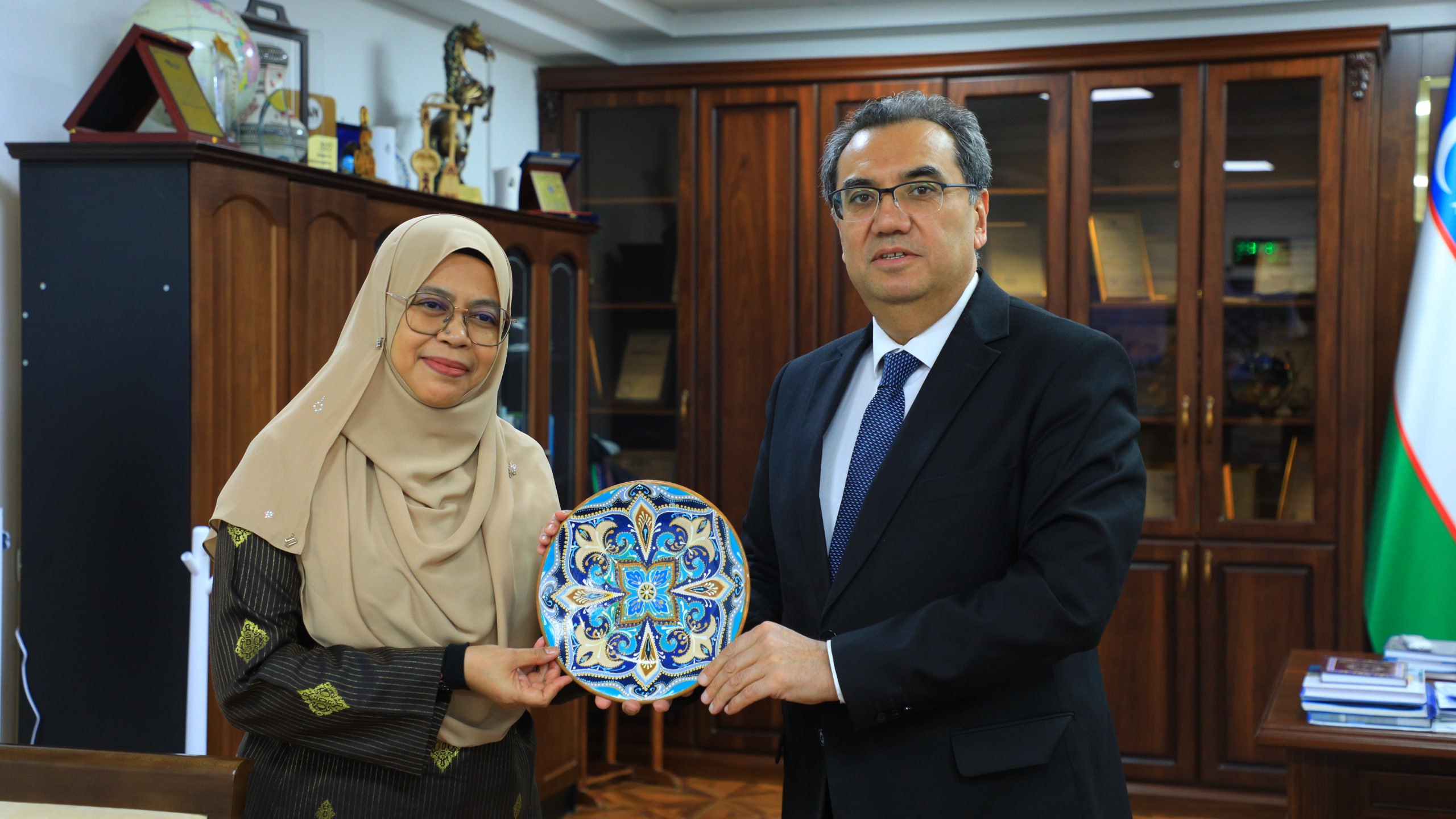
From the moment I arrived at BukhSU, I was welcomed with warmth and generosity. One of my earliest experiences at the university was the opportunity to meet the Rector of BukhSU, Professor Dr. Khamidov Obidjon Khafizovich. As a visiting academic from UPSI, Malaysia, this meeting represented more than a formal institutional engagement. It reflected the university’s openness toward international collaboration and its commitment to fostering meaningful academic relationships. Despite differences in backgrounds and contexts, the interaction highlighted a shared understanding that education serves as a bridge connecting people, ideas, and cultures.
Throughout my stay, while representing UPSI in various academic engagements, I had the opportunity to engage with faculty members, university staff, and students in various academic settings. Academic discussions often took place within an atmosphere of openness and mutual respect. What impressed me was not only the professionalism demonstrated by colleagues but also their willingness to exchange experiences, perspectives, and aspirations regarding future educational development.
Another meaningful engagement during my visit was the opportunity to meet and discuss future academic directions with Associate Professor Dr. Ataboyev Nozimjon Bobojon, Dean of the Faculty of Foreign Languages at BukhSU. Our discussion focused on the potential for future collaboration between UPSI and BukhSU, including academic exchange initiatives, language-related programmes, and future educational and research collaborations. Such discussions represent important steps toward strengthening international academic networks and creating sustainable partnerships between institutions.
Teaching Malay Beyond Borders
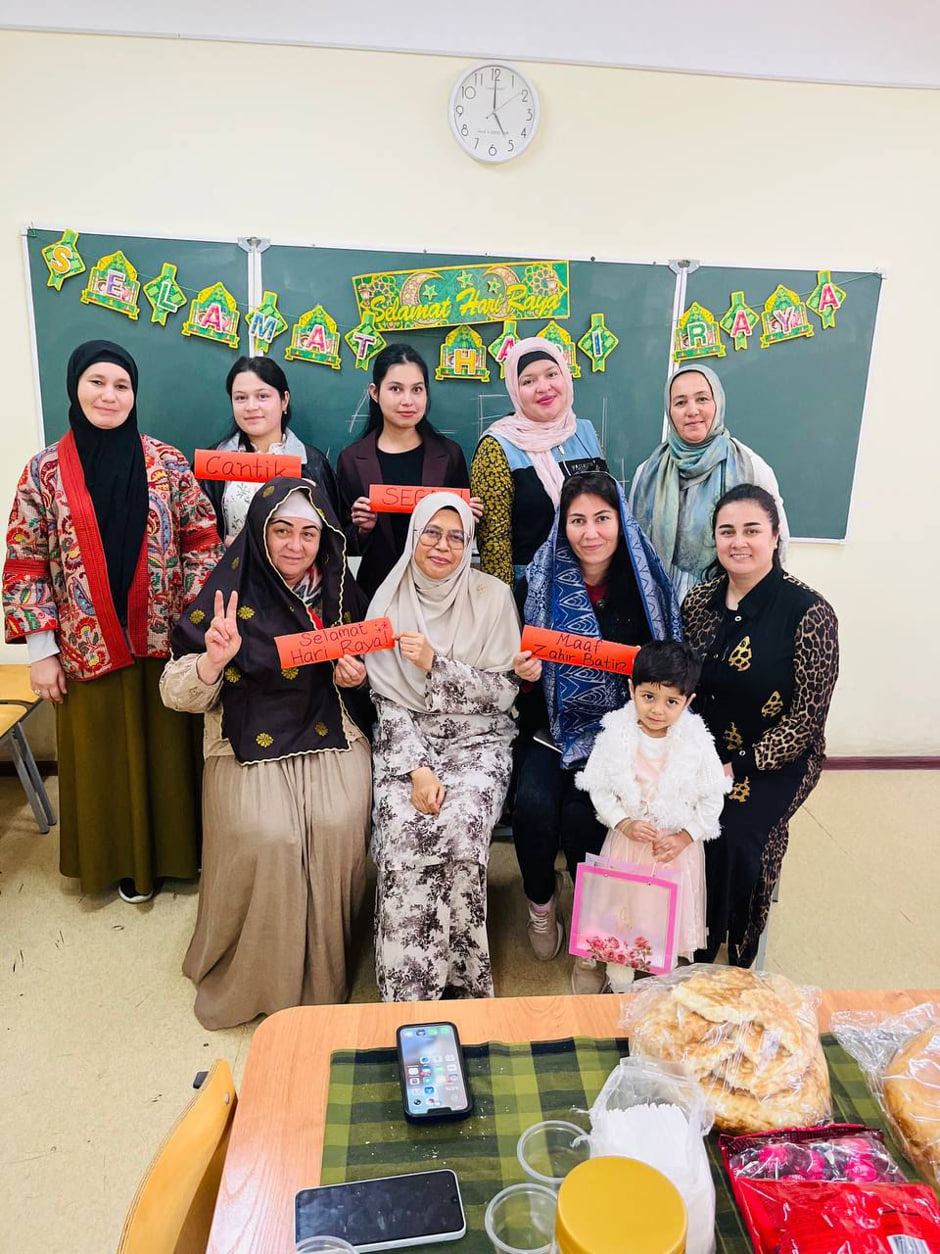
One of the most meaningful aspects of my journey was the opportunity to teach under the Malay Language for Tourism in Uzbekistan programme. This experience became particularly memorable because the learners came from diverse educational and professional backgrounds. Among them were students from the Tourism and Hospitality programme and the English and Translation Studies programme at BukhSU, alongside practicing tour guides from Bukhara who voluntarily attended classes after completing their daily work responsibilities.
The programme also reflected UPSI's ongoing efforts to promote the Malay language internationally. Through this initiative, UPSI contributed academic expertise, teaching experience, and educational resources to introduce Malay language learning in Uzbekistan. Beyond language instruction, the programme served as a platform for cultural exchange and educational diplomacy, strengthening mutual understanding between the people of Malaysia and Uzbekistan.
Although the number of students was relatively small, their commitment and enthusiasm were truly remarkable. They attended classes with genuine interest, actively participated in learning activities, and continuously demonstrated curiosity toward the Malay language and Malaysian culture. Their eagerness to learn was reflected not only through classroom participation, but also through their willingness to practice new expressions, ask questions, and engage in discussions beyond lesson requirements.
The practicing tour guides, in particular, left a profound impression on me. After completing long working hours, they still dedicated their time and energy to learning a foreign language that they believed could contribute positively to their professional growth. Their motivation was not driven by examinations, grades, or certificates, but by a sincere desire to equip themselves with skills and knowledge that could strengthen their future careers.
As I observed the learners' enthusiasm and determination, I was reminded that learning becomes especially meaningful when it is connected to authentic purposes and aspirations. Their efforts demonstrated that language is more than a communication tool; it also serves as a bridge connecting people, cultures, and opportunities.
As a language educator, this experience provided me with an important perspective on the teaching and learning process. It reinforced the idea that effective language learning often emerges from meaningful contexts and authentic needs. Witnessing the determination of both students and working professionals reminded me that education is not limited by age, profession, or circumstance. The willingness to continue learning and improving remains one of the strongest characteristics of lifelong learners.
Engaging in International Academic Dialogue and Networking
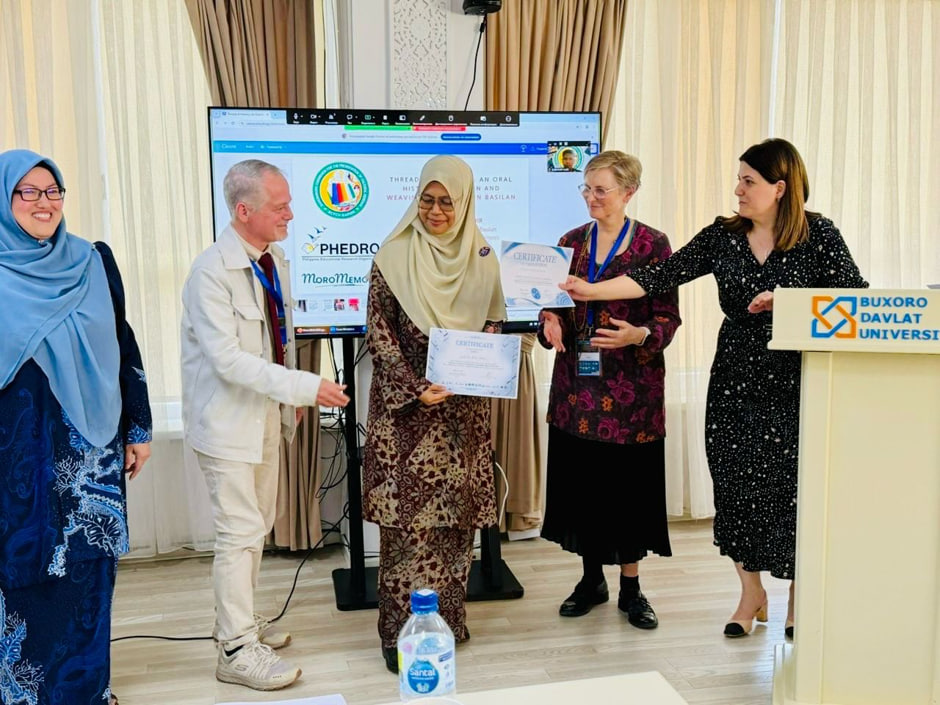
During my stay at BukhSU, I had the opportunity to participate in an international conference organized by the Faculty of Foreign Languages titled “Bridging Cultural and Environmental Sustainability in the 21st Century” held on 24–25 March 2026. The conference brought together academics and researchers to engage in discussions on cultural preservation and environmental sustainability within a rapidly evolving global context.
Beyond the academic content of the presentations and discussions, the conference also provided a valuable platform for professional networking, allowing me to connect with scholars and participants from different countries and academic backgrounds. These interactions opened opportunities for future academic dialogue and potential collaboration, particularly in areas related to language, culture, and education.
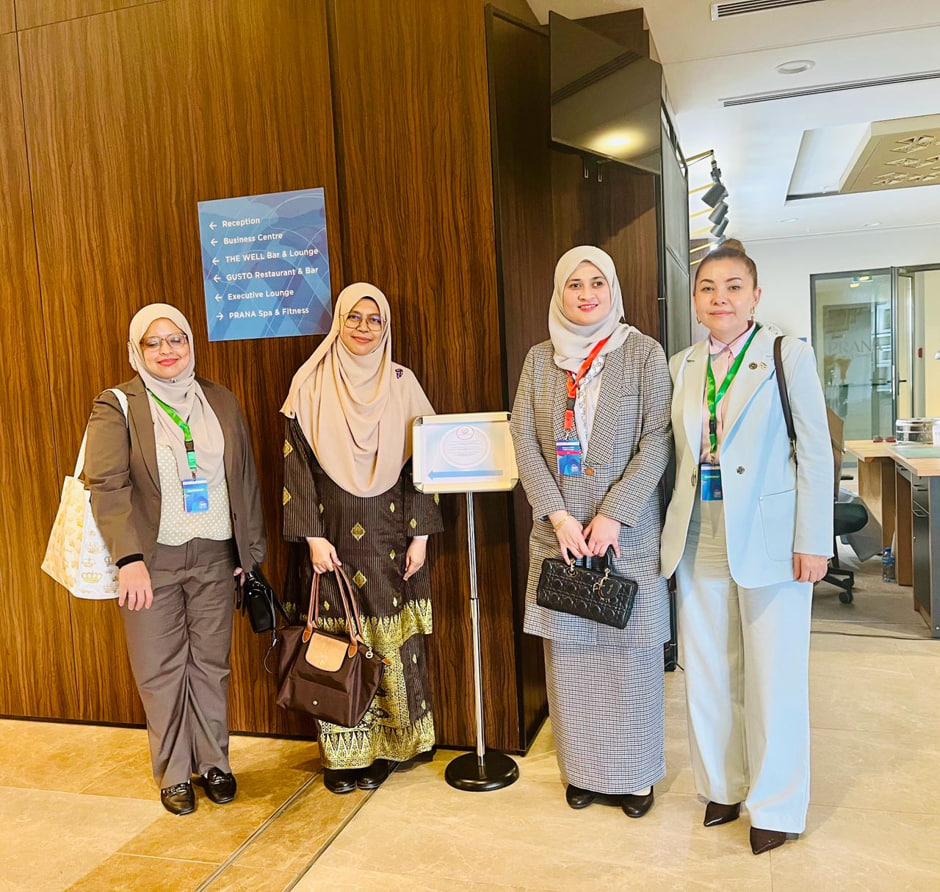
In addition, I was also invited to participate in the Second Asian Women Forum held on 14–15 May in Bukhara. The forum gathered women from across Asia to discuss issues related to empowerment, leadership, education, and social development.
This experience further expanded my international networking opportunities, as it enabled meaningful exchanges with participants from diverse cultural and professional backgrounds. Through these interactions, I was able to gain broader perspectives on regional developments while also building new academic and professional connections that may support future collaborative initiatives.
Although both events were not the central focus of my academic visit, they added significant value by positioning my experience within a wider international academic and professional network. More importantly, they strengthened the sense that knowledge exchange today extends beyond formal institutions into interconnected global communities of practice.
Experiencing the Spirit of Navruz
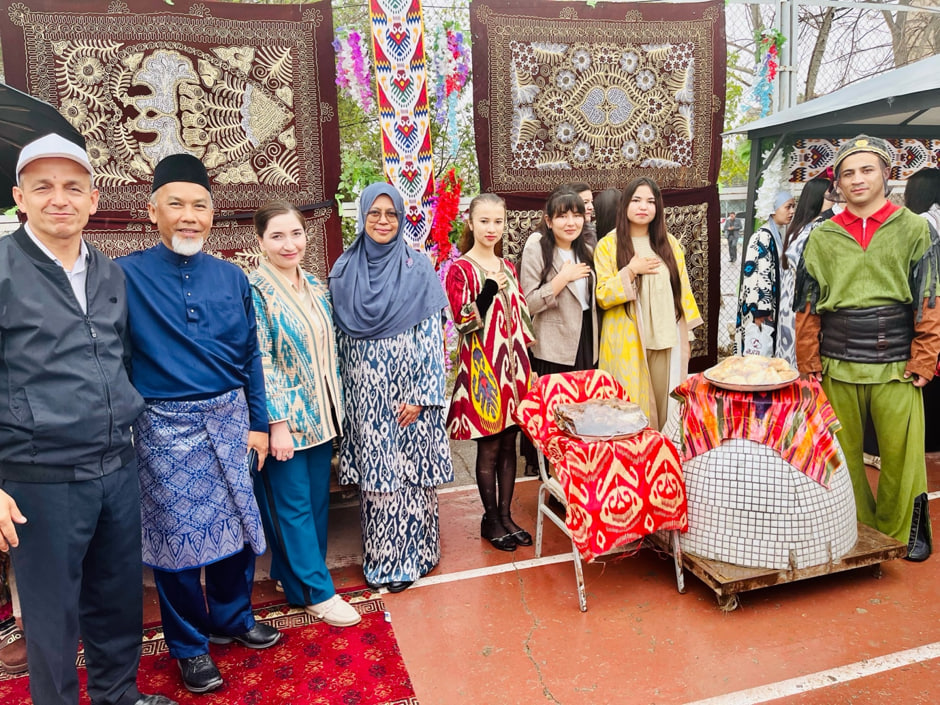
Beyond academic experiences, one of the most unique and enriching moments of my journey was participating in the Navruz celebrations at both the Bukhara state level and university level. Experiencing Navruz firsthand provided me with a valuable perspective on the social and cultural values embedded within Uzbek society.
Navruz, which symbolizes renewal, hope, and the arrival of spring, was much more than a festive occasion. It reflected the spirit of community, togetherness, and cultural continuity. The celebrations brought together people of different generations and backgrounds through traditional performances, cultural displays, music, food, and social gatherings. The atmosphere reflected a strong sense of collective identity and pride in preserving cultural traditions.
As an observer coming from Malaysia, I found this experience particularly meaningful. Malaysia itself is a nation enriched by multicultural traditions and celebrations; however, witnessing Navruz in Bukhara offered me a new perspective on how cultural heritage can remain vibrant and deeply connected to contemporary society. It reminded me that traditions do not merely preserve history; they also strengthen human relationships and create shared experiences across generations.
Walking through Bukhara itself was equally fascinating. Historically recognized as one of the major centres of learning along the Silk Road, the city carries a remarkable intellectual and cultural legacy. The coexistence of historical architecture and modern educational institutions creates an environment where the past and present appear to interact harmoniously. Such surroundings naturally encourage reflection on the relationship between culture, identity, and education.
Hospitality Beyond the Classroom
Throughout this journey, I was also fortunate to receive exceptional support from the International Department of Bukhara State University. The assistance and commitment shown by Mr Shohabbos, Head of the International Department, together with his dedicated staff members, contributed greatly to making the entire experience smooth and meaningful for both my husband and me. From the initial arrangements upon our arrival until the completion of our stay, their professionalism, kindness, and continuous support reflected the university's strong culture of care and hospitality.
Meaningful experiences are often shaped not only by academic activities but also by everyday human interactions. During our stay, my husband and I were accommodated at Grand Bukhara Hotel, where the kindness and attentiveness of the staff added another memorable dimension to our experience. Their willingness to assist us in various matters throughout our stay reflected the warmth and hospitality that we consistently encountered during our time in Bukhara.
Reflections Through a Malaysian Lens
As a Malaysian academic, this experience encouraged me to reflect more deeply on the broader purpose of education. Although Malaysia and Uzbekistan differ in many historical and social contexts, there are also meaningful similarities in the values shared by both societies; respect for knowledge, appreciation of cultural identity, and the importance of human relationships and community.
My journey to BukhSU ultimately became more than an academic visit. It evolved into a learning experience that expanded my professional understanding and enriched my personal perspective. It reinforced the idea that education extends beyond classrooms and institutional boundaries. Some of the most valuable lessons are often discovered through conversations, cultural encounters, and shared human experiences.
Among the many memorable experiences throughout this journey, perhaps one of the most meaningful was witnessing the genuine enthusiasm for learning the Malay language among students, professionals, and members of the local community. Seeing individuals dedicate their time and effort to learning a language that originated thousands of kilometres away demonstrates the power of language in connecting people and cultures. It also represents a promising beginning for stronger cultural and educational ties between Malaysia and Uzbekistan.
Looking Forward: Sustaining the Future of Malay Language in Bukhara
As I conclude this journey at Bukhara State University, I sincerely hope that the connections established through academic collaboration, cultural exchange, and language learning will continue to grow in the future. The Malay Language for Tourism in Uzbekistan programme represents more than language instruction alone; it symbolizes the beginning of a wider journey that connects people, cultures, and aspirations.
Looking ahead, the sustainability of Malay language education in Bukhara will require continued institutional commitment and strategic collaboration. UPSI is well positioned to contribute to this development through academic expertise, staff and students mobility programmes, collaborative research, curriculum support, and the sharing of educational resources. Such initiatives would not only support the growth of Malay language learning in Uzbekistan but also strengthen UPSI's role as a regional hub for Malay language and education studies.
My hope is that the Malay language will continue to grow and flourish in Bukhara and remain sustainable for future generations. May the seeds planted through teaching, learning, and collaboration continue to develop into meaningful opportunities for both institutions and communities. More importantly, may the Malay language continue to find its place in Bukhara, not merely as a language to be learned, but as a bridge that strengthens friendship, understanding, and future collaboration between Malaysia and Uzbekistan."
The reflections shared by Professor Zuraini Binti Ramli in this article once again highlight the growing international reputation of Bukhara State University, its open and dynamic academic environment, and the unique appeal of Uzbekistan as a country with a rich historical and cultural heritage. The university community expresses its sincere appreciation to the author for her warm remarks and high regard for the partnership, while reaffirming its confidence that the mutually beneficial cooperation between Bukhara State University and Sultan Idris Education University (UPSI) will continue to flourish, creating new opportunities for joint educational, scientific, and cultural initiatives in the years ahead.


 buxdu_rektor@buxdu.uz
 (+998) 65 221-30-46


 EN
EN
 UZ
UZ
 RU
RU
 ZH-CN
ZH-CN