02.11.2026
Deputy Minister Reviews Modern Educational and Innovation Infrastructure at Bukhara State University
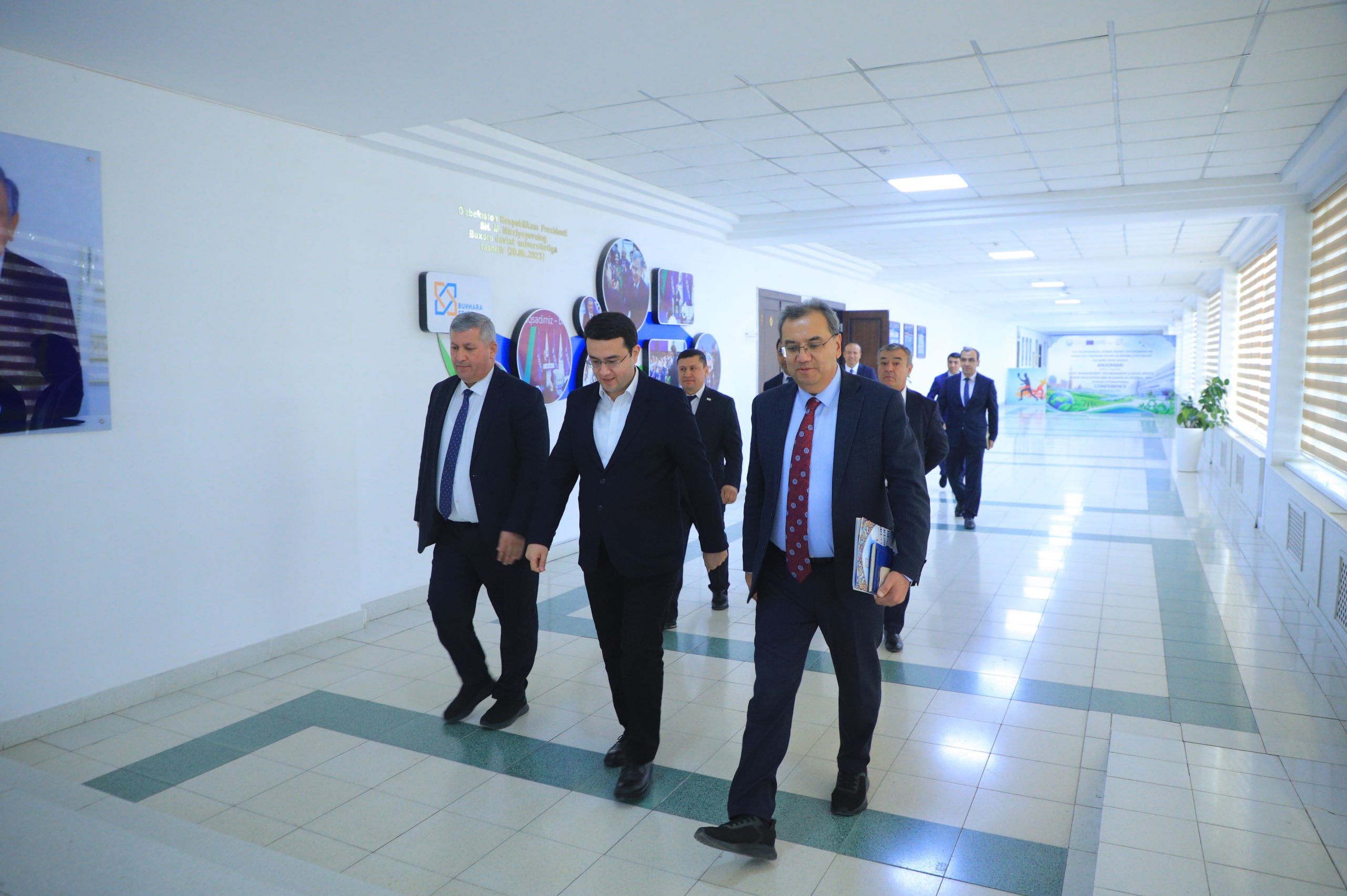
Sanjar Mirzaliyev, Deputy Minister of Education and Science, visited Bukhara State University to review the university's efforts to enhance educational quality, digitalise academic processes, advance research and innovation, and provide modern learning and working conditions for students and academic staff.
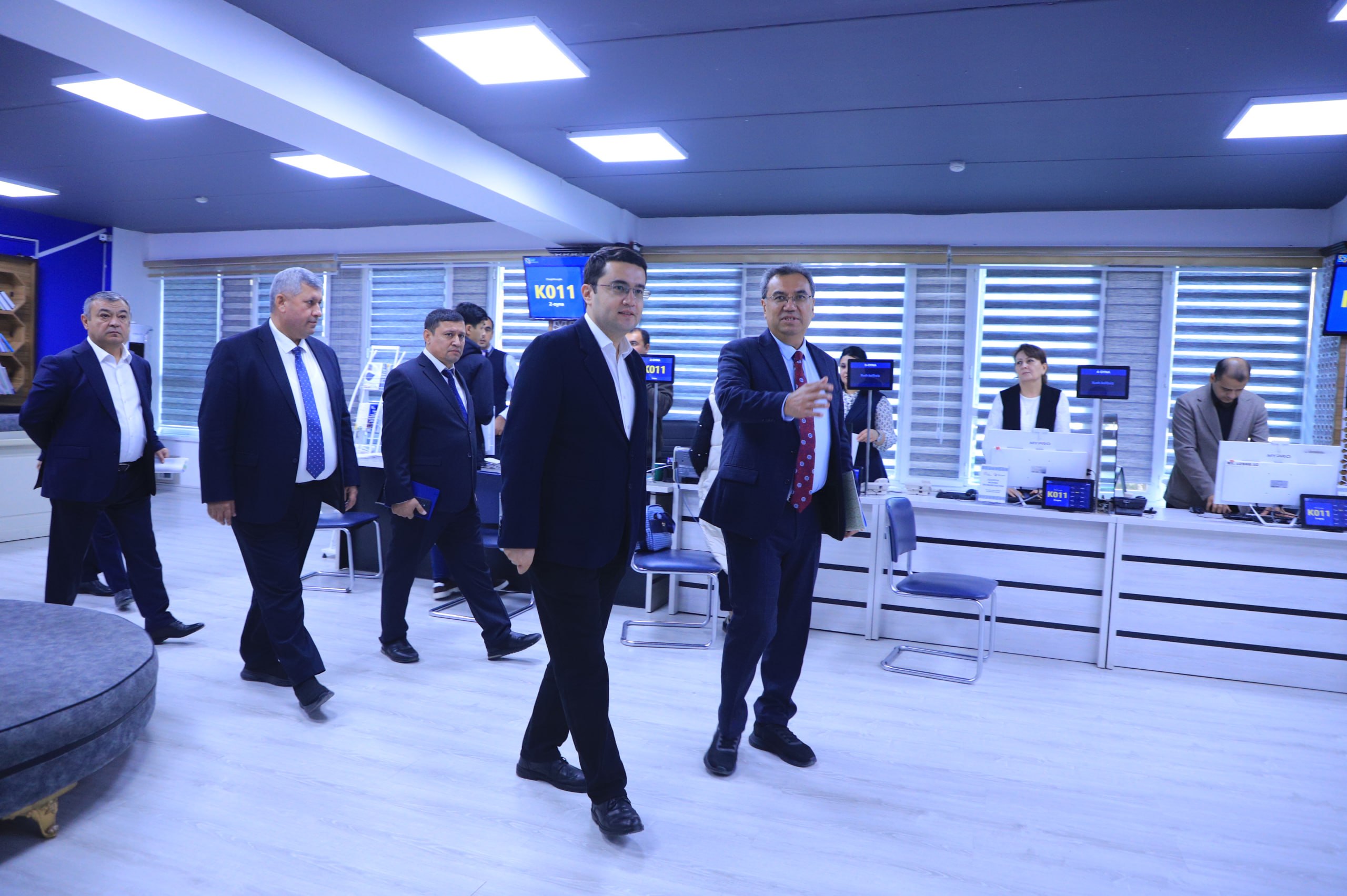
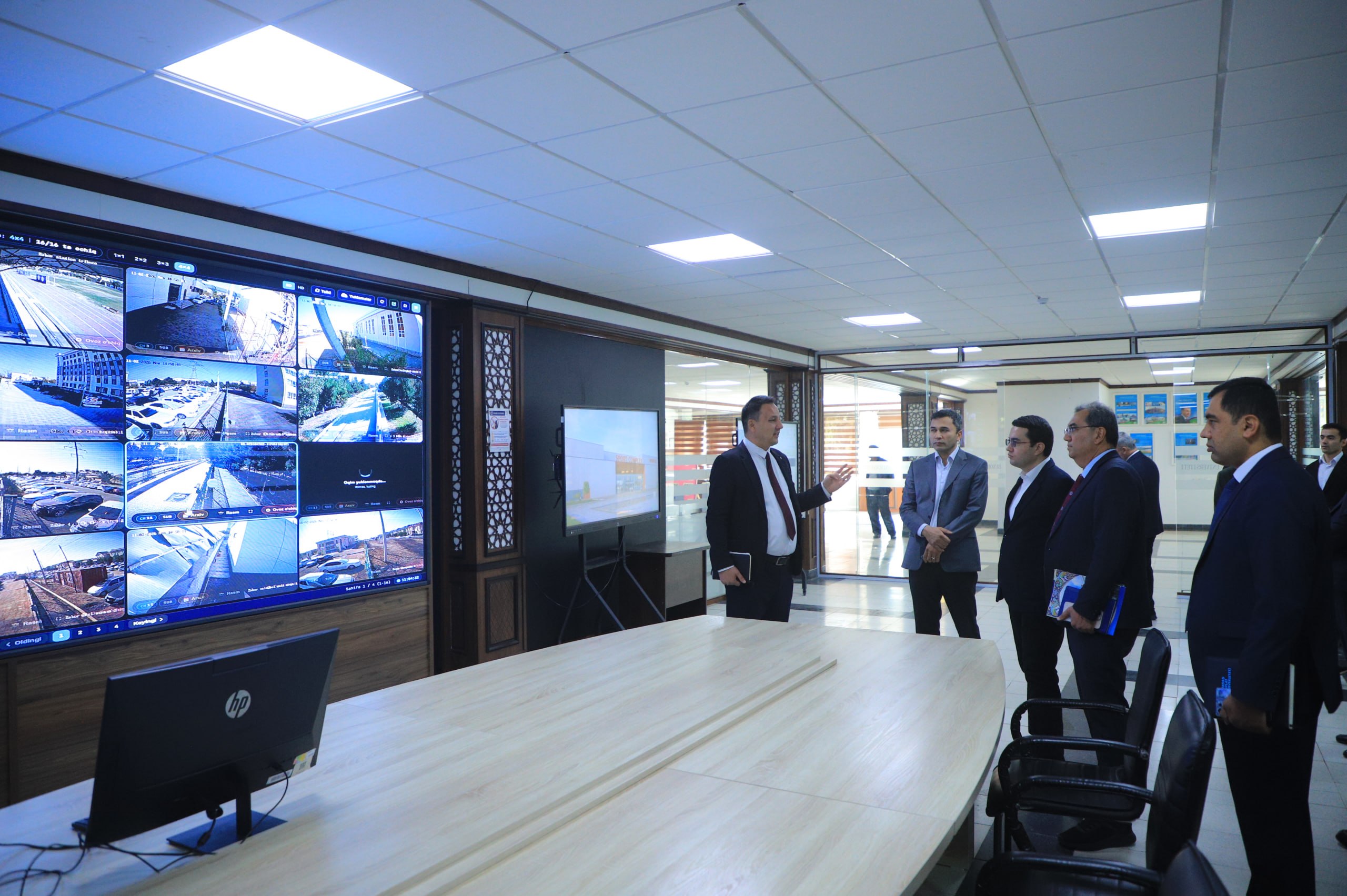
The visit began with an inspection of the digitalised Registrar's Office, which provides students with 60 types of services through a one-stop service model. The Deputy Minister also reviewed the operations of the centralised Situation Centre, which enables real-time observation and monitoring of classroom activities and the educational process.
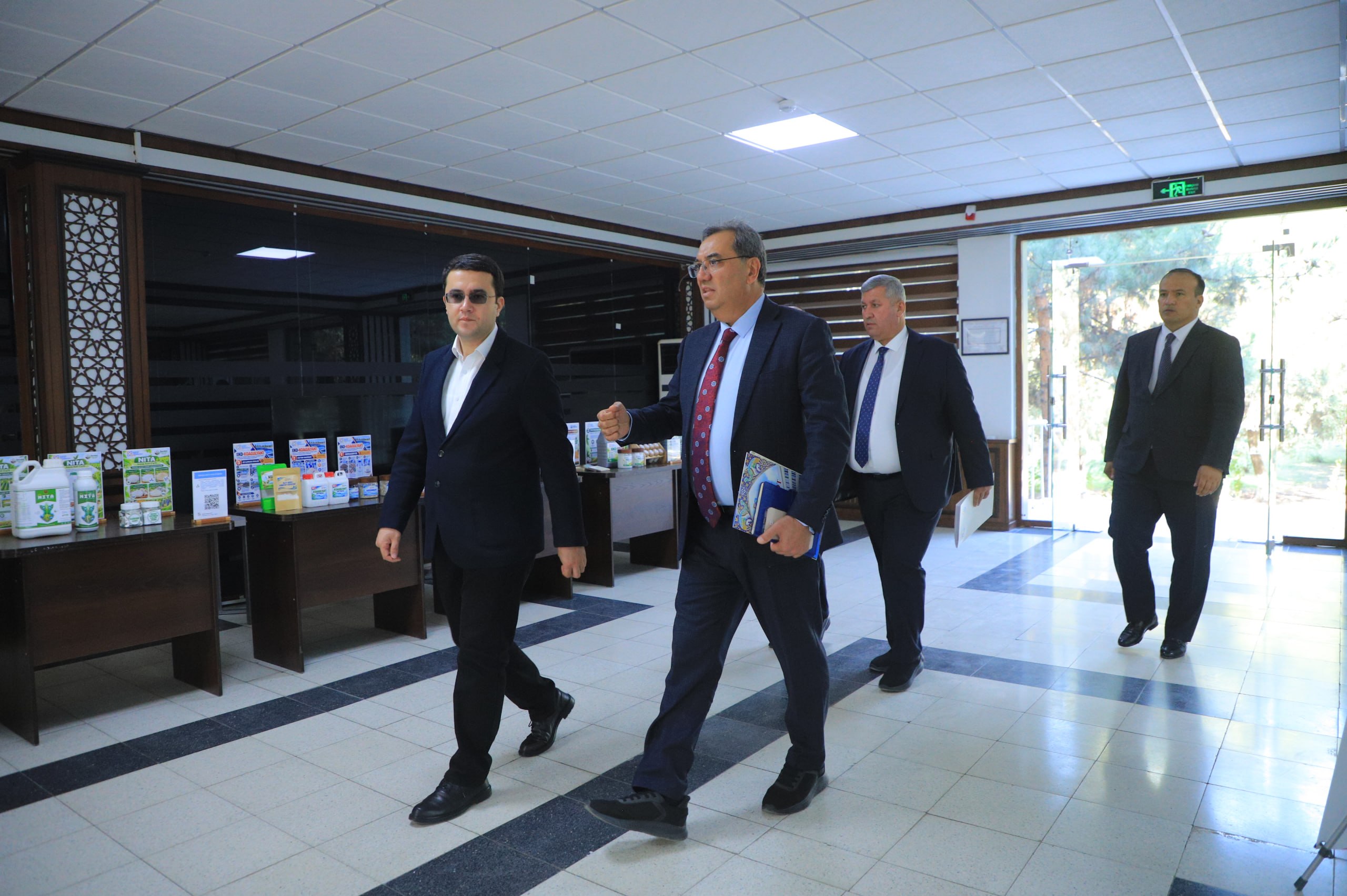
He subsequently toured the university's new, modern academic building with a capacity of 2,700 students, examining the facilities and equipment available in its classrooms, the conditions established for effective teaching and learning, and opportunities to integrate contemporary educational technologies into academic activities.
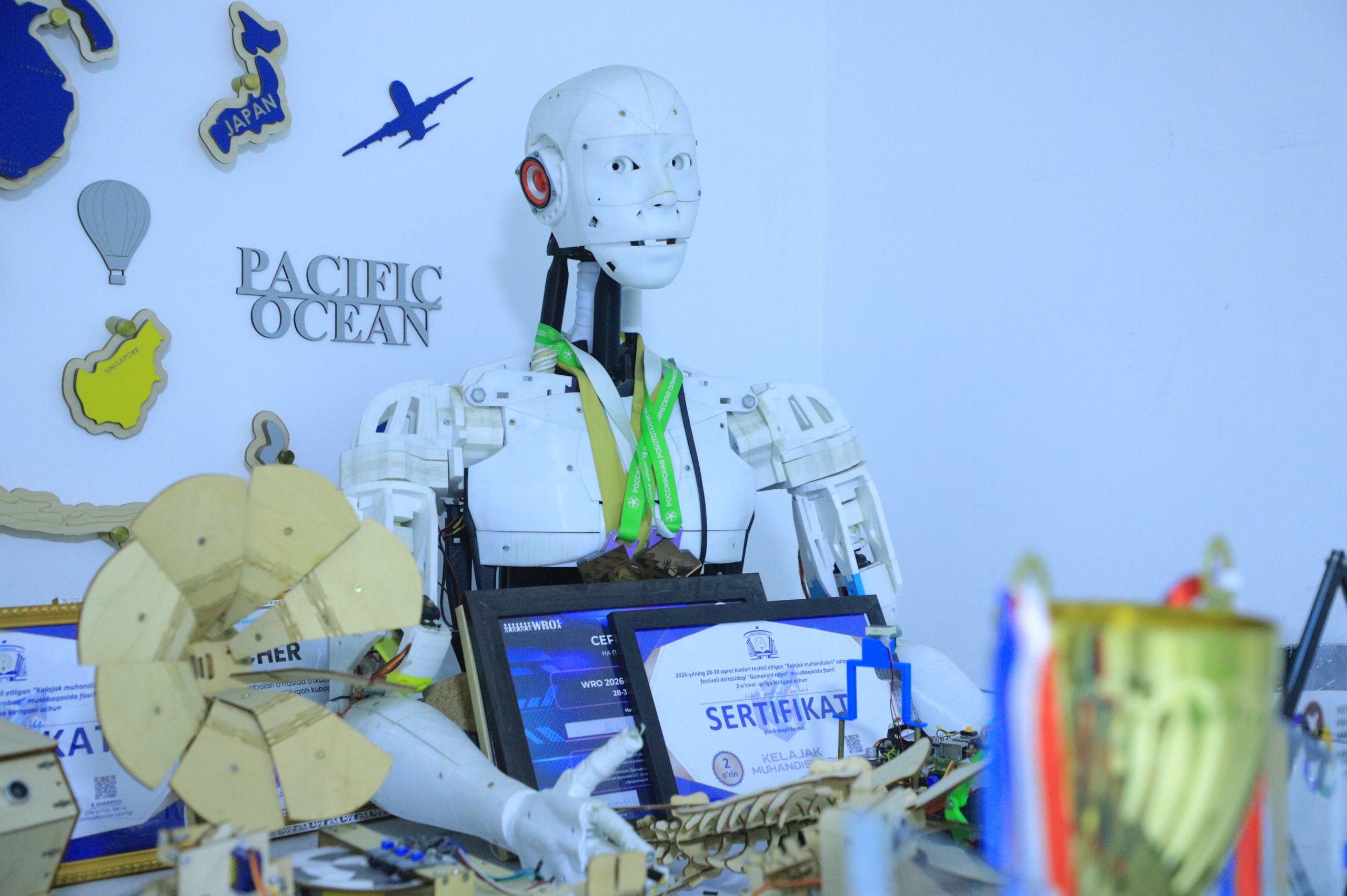
A major focus of the visit was the university's infrastructure dedicated to the development of robotics and artificial intelligence. In particular, the Deputy Minister inspected the “Robots and Me” Robotics Centre and the building of the Academy of Robotics and Artificial Intelligence. Special attention was given to the opportunities being created for young people to master emerging technologies, develop engineering thinking, and acquire practical skills in programming, robotics and artificial intelligence.
The Deputy Minister also conducted a comprehensive review of the university's Information Resource Centre. The visit covered its collection of academic and research publications, the availability of textbooks and teaching materials for students, access to information resources, and the facilities provided to support independent learning.
He also visited the university's football pitch, where he examined the sports infrastructure designed to encourage regular physical activity among students, promote participation in sport, and foster healthy lifestyles.
As highlighted during the visit, the university has allocated 86.5 billion Uzbek soums from its own funds to construct a new academic building, a Solar Physics Research Laboratory, an Information Resource Centre, and a student residence with a capacity of 400 places. This modern complex represents an important contribution to advancing education, scientific research, innovation and student life at the university.
The visit also addressed the prospects of Bukhara State University's new modern campus, currently being developed on a 30.2-hectare site at the initiative of the President of Uzbekistan. The large-scale project envisages the construction of academic buildings with a total capacity of 20,000 students, alongside student accommodation facilities providing 5,400 places.
Throughout the visit, particular attention was paid to the university's ongoing initiatives to ensure educational quality, digitalise academic processes, provide students with essential learning resources, develop promising fields such as robotics and artificial intelligence, and further improve its modern academic and sports infrastructure.
The visit highlighted the importance of these initiatives in strengthening Bukhara State University's capacity as a modern centre of education, scientific research and innovation.
Press Service of Bukhara State University


 buxdu_rektor@buxdu.uz
 (+998) 65 221-30-46


 EN
 UZ
 RU
 ZH-CN