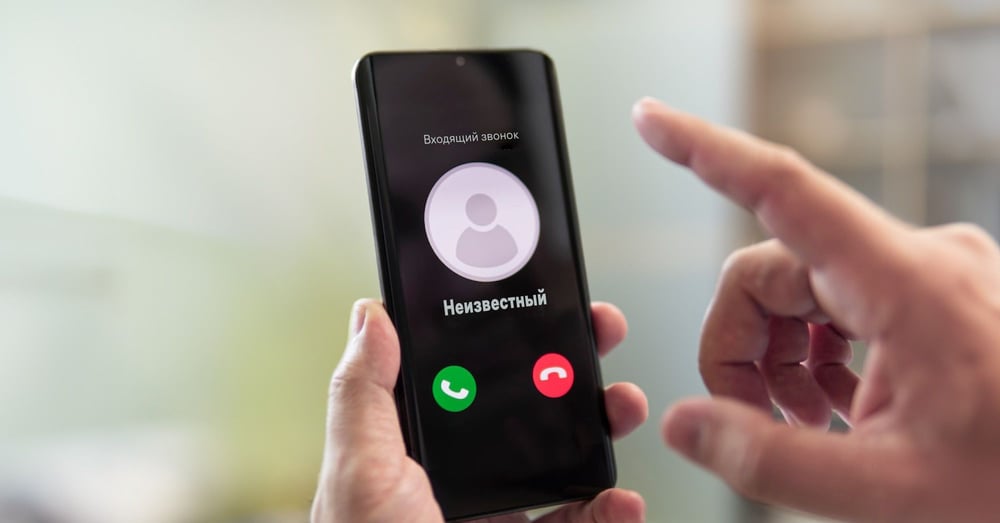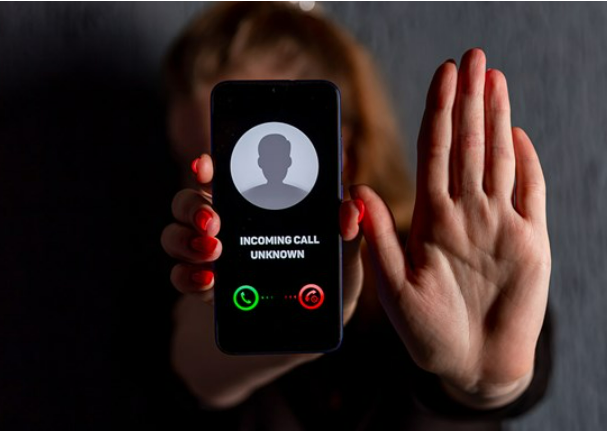
Fraudsters often use methods of fraud over the phone: "from the bank", "from the tax", "from the police". or “IT service” Calling by name, he demands urgent action. The following rules will help — simple, clear and safe.
How to proceed:
- Never ask for or give personal, bank or card information to the person you call.
- If they use “code”, “OTP”, “password” so‘rasa— disconnect immediately. No one will ever ask for OTP or full card number.
- Even if the person on the other end introduces himself as official, find the official number on your phone (not on the Internet) and call that number again.
- If you are asked to transfer money or make a deposit — don't transfer it without checking the root.
- Record or screenshot/sketch suspicious calls (phone number, time of conversation), then block and report to Telegram/operator or police.
- If you have doubts about your bank card or account — immediately contact the bank through official channels and ask to block the card.
Practical advice for first aid:
- Keep your cool during the winter — hasty decisions are the goal of fraudsters.
- “Yes” or “OK” try not to agree with — many fraudsters use voice confirmation.
- Use number blocking and spam filters on your phone.
- If "court" or "police" in the case or “bank” if there is a threat — Please call the official number of that organization.
Short answer texts
- “I am sorry, I will not give information. Thank you.”
- “I am writing down this number and checking it.”
- “Reconnect via official number.”
- “I don't want to hear you, hang up.”
If you have been harmed
- Notify your bank immediately (block card, cancel transactions).
- Contact local law enforcement and provide evidence (call time, number, chat/sms screenshots).
Note: Officials will never ask for your personal OTP or full card details over the phone. Haste and intimidation — the main method of the scammer. Keep calm and always check.